








Understanding the Concept of a Balcony Garden
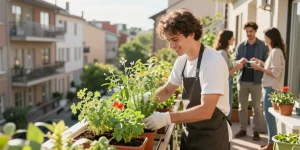
In today’s urban landscape, where space is often at a premium, balcony gardens have emerged as a popular solution for those looking to cultivate their green thumbs. A balcony garden allows homeowners to enjoy fresh herbs and vegetables without the need for expansive outdoor areas. Whether you have a small apartment overlooking a bustling street or a large balcony in a peaceful neighborhood, the possibilities are extensive. In this guide, we will explore how to set up your balcony garden effectively, tips for maximizing yields, and insights into maintaining a thriving green space right at home.
What is a Balcony Garden?
A balcony garden refers to the cultivation of plants, including vegetables, herbs, and flowers, in the limited space of a balcony. This can involve using pots, containers, vertical gardens, and hanging baskets to optimize the available area. Unlike traditional gardens, balcony gardens focus on maximizing production within a compact footprint, making them ideal for urban dwellers.
The Benefits of Balcony Gardening
There are numerous benefits to having a balcony garden. Apart from providing access to fresh produce, gardening has been shown to reduce stress, promote physical activity, and enhance your connection with nature. Additionally, growing your own fruits and vegetables can lead to significant cost savings, reducing trips to the grocery store. Sustainability is another reason to consider a balcony garden, as it promotes local food production and decreases reliance on store-bought produce that has travelled long distances.
Typical Mistakes Beginners Make
Many new gardeners make a few common mistakes that can hinder their success. Overwatering, choosing unsuitable pots, selecting incompatible plant types, and neglecting to evaluate light conditions can all lead to disappointing crops. Understanding these pitfalls is crucial to creating a flourishing garden.
Assessing Your Balcony for Gardening
Before diving into gardening, it’s essential to assess your balcony and its suitability for planting. Consider factors such as light exposure, weight limits for pots, and the overall layout of your space.
Light and Space Requirements
Plants require adequate sunlight to thrive, with most vegetables and herbs needing at least 5-6 hours of direct light each day. Observe your balcony during different times of the day to determine the most suitable spots for the plants. If your balcony is shaded, consider selecting shade-tolerant varieties.
Choosing the Right Pots and Materials
When selecting pots, consider their size, material, and drainage capabilities. Using pots that are too small can restrict root growth, ultimately affecting the health and productivity of your plants. Also, aim for high-quality potting soil enriched with compost for optimal growth.
Understanding Balcony Weight Limitations
It’s vital to consider the weight limits of your balcony, particularly if you’re using large pots that can become heavy when filled with soil and water. A standard pot can weigh 20-30 kg or more, so be sure to space out your pots evenly and consider using lighter alternatives if weight is a concern.
Selecting the Right Plants for Your Balcony
Choosing the right plants is crucial to the success of your balcony garden. Focus on varieties that are known to thrive in smaller spaces and produce significant yields.
Top Vegetables and Herbs for Small Spaces
Some of the best choices for balcony gardening include basil, cherry tomatoes, lettuce, and chili peppers. These plants are not only space-efficient but also relatively easy to care for, making them perfect for beginners.
Companion Planting for Maximum Yield
Companion planting refers to the practice of growing different plants together for mutual benefits, such as pest control and improved growth rates. For instance, planting basil alongside tomatoes can enhance their flavor and repel pests.
Avoiding Problems with Plant Combinations
While companion planting can be beneficial, it’s equally important to know which plants do not grow well together. Avoid mixing species that require significantly different watering or lighting conditions to ensure harmony in your garden.
Maintenance and Growth Strategies
To maintain a thriving balcony garden, you’ll need to adopt a consistent routine that includes watering, fertilizing, and pest management.
Irrigation Systems for Balcony Gardens
Consider installing a drip irrigation system for efficient watering, especially if you have multiple pots. This helps deliver water directly to the roots of your plants, ensuring they receive the moisture they need without over-saturating the soil.
Fertilization Techniques That Enhance Growth
Regular fertilization is essential in potted environments where nutrients are quickly depleted. Use organic fertilizers suited for vegetables and herbs to promote healthy growth. The University of Bologna suggests a balanced approach to fertilization in potted plants.
Pest Management for Urban Environments
Urban gardening can come with its own set of pest challenges. Monitor your plants regularly for signs of infestation, and consider using natural remedies or companion plants to deter pests. Avoid harsh chemicals that could harm beneficial insects.
Transforming Your Balcony Year-Round
With thoughtful planning and care, it’s possible to have a productive balcony garden throughout the year. Proper seasonal planning and understanding your plants’ needs are key components.
Implementing Seasonal Plant Rotation
Rotate your crops according to the seasons to maximize productivity. For instance, you might plant fast-growing leafy greens in early spring and later switch to heat-tolerant vegetables in the summer.
Creating a Micro-Ecosystem on Your Balcony
By incorporating diverse plant types and using natural growth techniques, you can create a self-sustaining micro-ecosystem. This practice can help foster beneficial insects and enhance soil health.
Long-Term Care and Observational Gardening Tips
Observational gardening involves regularly monitoring your plants and adjusting care routines based on their needs. This might include varying your watering schedule or adjusting the amount of fertilizer based on the season and plant growth stages.
Frequently Asked Questions about Balcony Gardens
What are the easiest plants to grow in a balcony garden?
Some of the easiest options include herbs like basil and parsley and vegetables like lettuce and radishes. These plants are generally low-maintenance and can thrive in smaller pots.
How much sunlight do balcony plants require?
Most balcony plants need at least 5-6 hours of direct sunlight each day. If your balcony is partially shaded, focus on plants that tolerate lower light levels.
Can you successfully create a vegetable garden in a small space?
Absolutely! Many vegetables can thrive in small spaces if properly cared for and organized. Utilizing vertical gardening techniques and planters can significantly increase your yield.